
Afraid of the Wrong Thing
AI isn't Skynet (yet). It's a powerful tool, and the real danger is who's using it. Why the way we talk about AI has us afraid of the wrong thing.
29 posts
AI isn't Skynet (yet). It's a powerful tool, and the real danger is who's using it. Why the way we talk about AI has us afraid of the wrong thing.

The tried and true methods of root cause analysis assume a failure has one cause and will happen again. AI failures break both assumptions. What people smarter than me are saying about it, a test from my own series that needs revising, and why the useful question after an incident is which change to make, not which cause to name.

I went looking for how to do evals better and found an argument about whether they work at all. What I've read, what I've heard, and why the most important discipline in AI product management has quietly turned into a performance.

Enterprise transformations rarely fail because they picked the wrong framework. They fail because they can't work the way any framework requires. Six constraints that bind every product organisation in the AI era, and a worked example of how I'd optimise against them.

Removing friction is a reliable product instinct, but it can quietly harden into an end in itself. What the psychology of effort, and a book about voluntary discomfort, say about when frictionless is the wrong target.
Layer 4 of AI Fluency: Why safety and governance determine whether customers stay after an incident
Layer 3 of the AI Fluency framework, Part 2: the diagnostic discipline. When your AI product breaks, how to figure out whether the model or your application is at fault, route the fix to the right team, and give stakeholders a credible timeline.
Layer 3 of the AI Fluency framework, Part 1: designing the application layer. The quality ceiling of your AI product is set by what reaches the model, not how you phrase the question. Learn context engineering: the five types of context, retrieval techniques, and assembly decisions that are product decisions, not engineering details.
Why evaluation is the biggest genuine gap most product managers have. Teams ship AI features without knowing whether they work, discover regressions from customer complaints, and can't measure impact. This is Layer 2 of the AI Fluency framework.
Layer 1 of the AI Fluency framework: enough technical knowledge to hold your own in conversations with engineers, without becoming an ML researcher.
A structured framework for understanding and diagnosing AI product failures. Learn the four layers of technical literacy PMs need, and how real incidents cross all of them at once.

The EU AI Act is not a future concern. It is actively reshaping products today. But treating compliance as a burden misses the point. The best Product Managers will treat it the same way they treat any product constraint: as a forcing function for better decisions.

Agentic engineering is about to give Product Managers superpowers we never had before. Vibe coding has its place too, but only if we are honest about what it is and what it is not.

Everyone agrees AI is transforming product management. Nobody agrees on which skills survive. The debate over strategy, taste, and the 'editing function' reveals a profession in the middle of an identity crisis.

Why forcing yourself to articulate your thinking is the most underrated skill in your career. From rubber duck debugging to publishing online, the mechanism is the same: saying it out loud makes the thinking better.
Product sense isn't a mystical gift some people are born with. It's a learnable skill built through deliberate practice, user exposure, and reflection. Here's how to develop it.
A deep dive into building an Ai Assistant, the move from rigid automation to fluid agency, and the hard lessons learned about token economics and security.

It is easy to dismiss modern product theory as 'out of touch' when you are drowning in bureaucracy. But giving up on the ideal isn't the answer, strategic realism is. Here is how to play the long game without losing your mind.
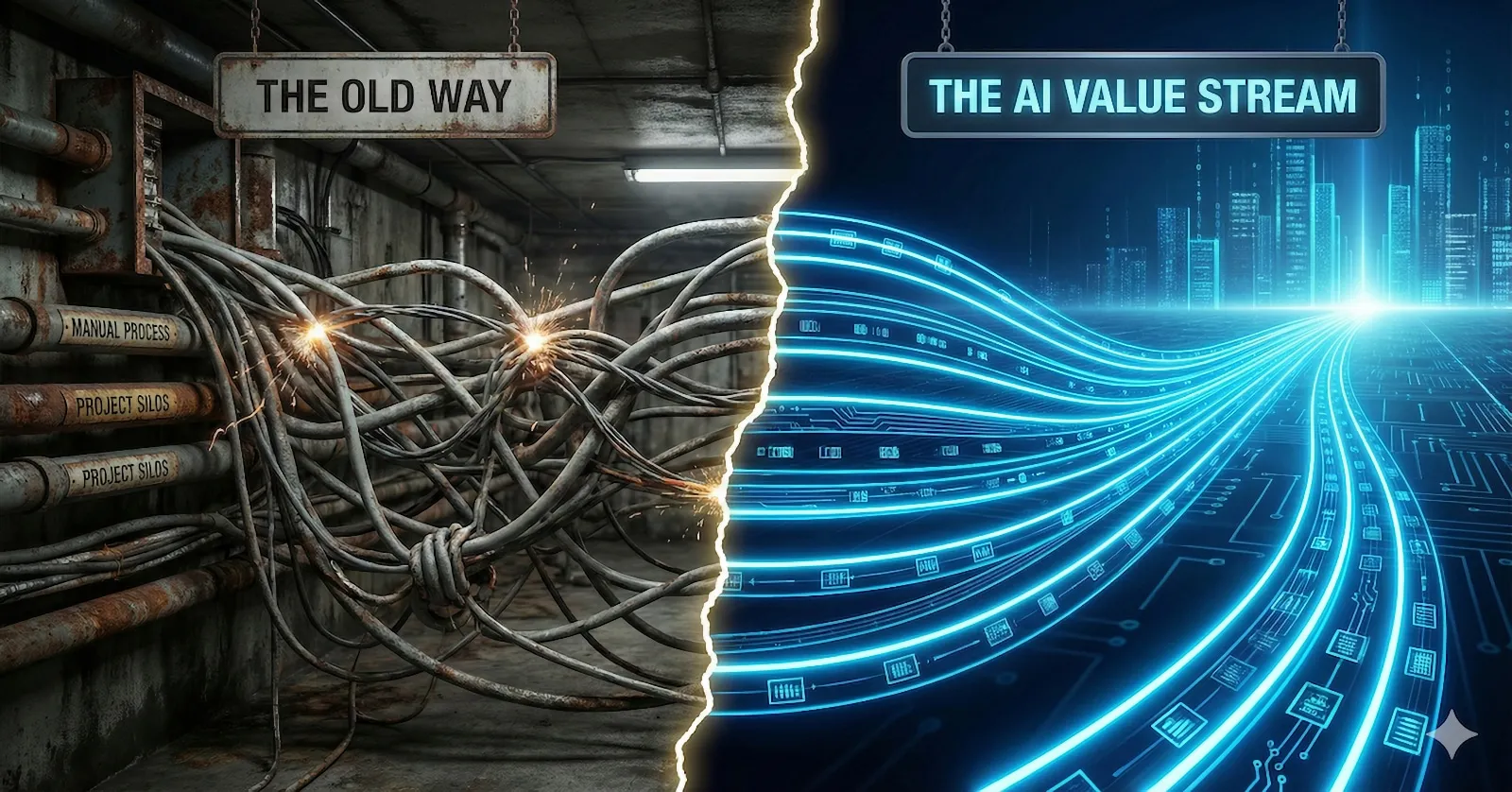
We often talk about AI writing code, but its real power lies in managing the flow of value. The catch? You can't apply a Ferrari engine to a horse-drawn cart. Here is why organisations must restructure to unlock the AI advantage.
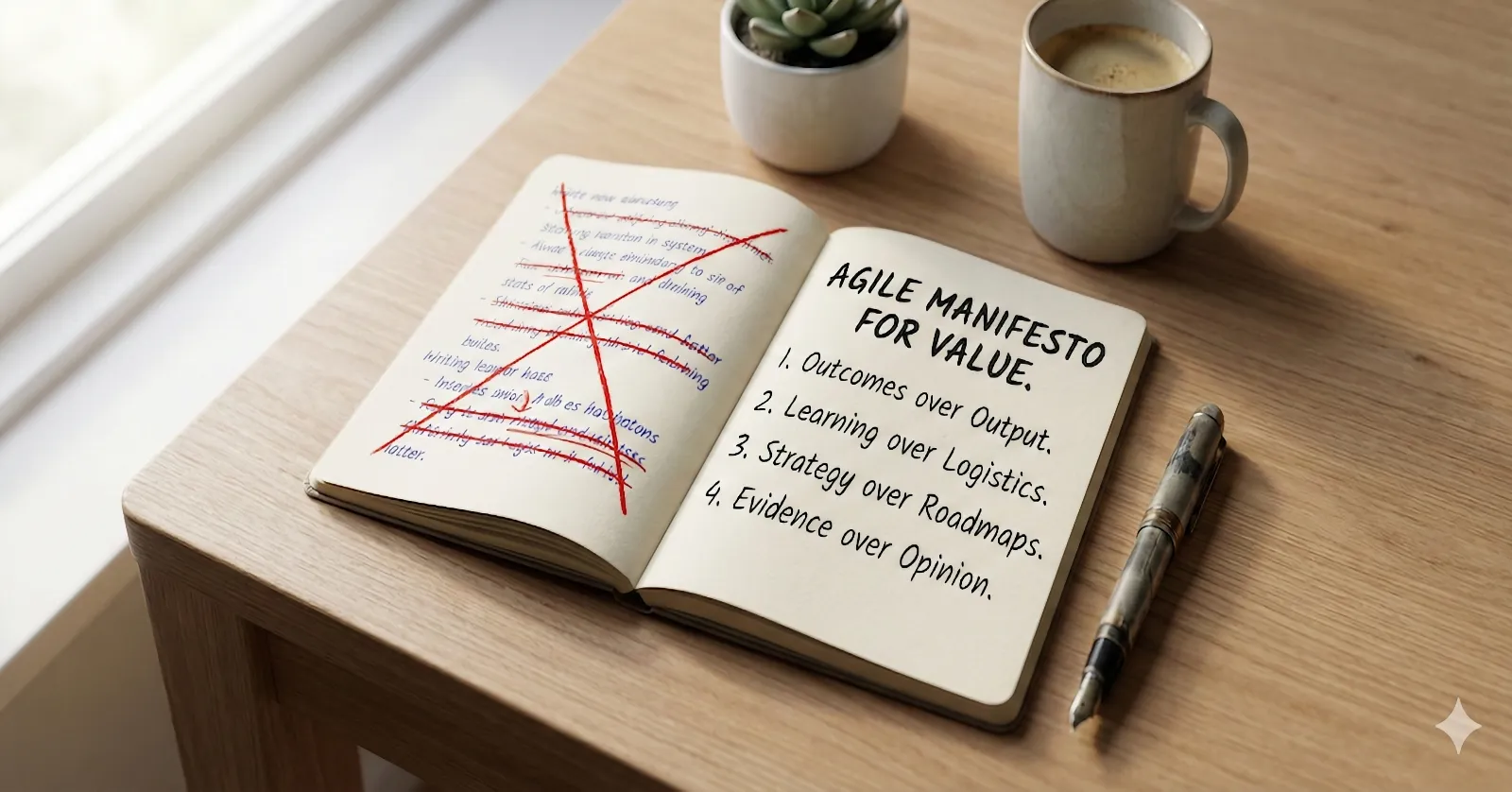
Agile won the war on delivery, but we are losing the peace on value. It is time for a new set of values that prioritises outcomes over outputs and learning over logistics.

Agile does not remove the need for governance. It changes how governance works so that it supports the flow of value, and must be tailored to each organisation rather than copied from traditional project management.

AI is reshaping not just the products we build but the very nature of work itself. For Product Managers, this turning point demands a shift in mindset, moving beyond execution to strategy, ethics, and orchestration.

How Product leaders can scale Agile organisations thoughtfully, leveraging frameworks like SAFe, Flow, and the Product Operating Model without losing Agile's core principles.
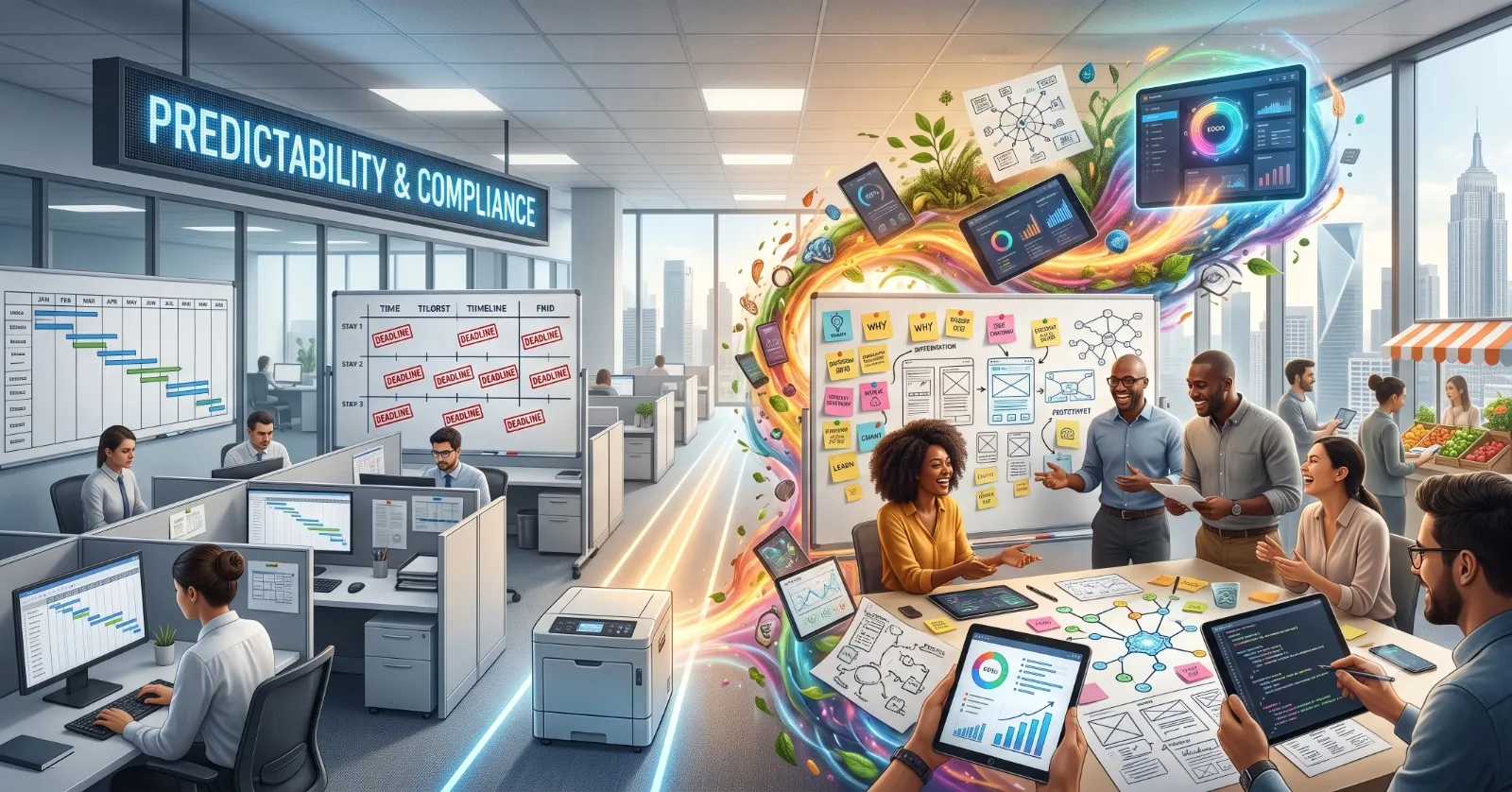
How our obsession with certainty is undermining our ability to innovate, and what we should do instead.

Exploring how strong security practices and transparent data governance not only protect users but also build trust, enhance engagement, and create a better overall user experience.

How modern product teams can move beyond traditional requirement processes and embrace Agile, empirical, and iterative approaches for greater success.
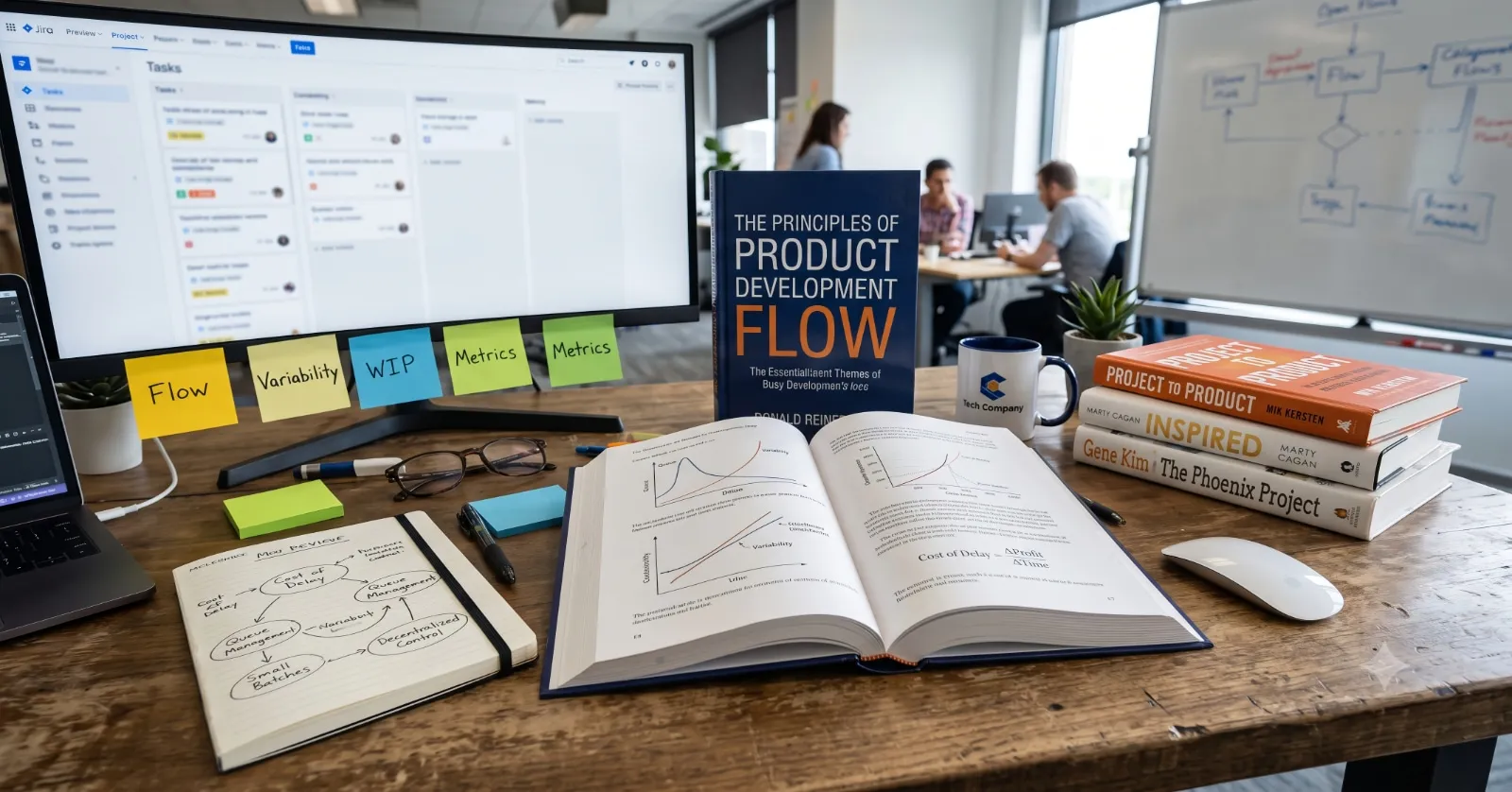
An in-depth review of Donald Reinertsen’s masterwork and why it’s essential reading for serious product managers.

A deep dive into why most Agile implementations miss the point, how focusing on velocity over value undermines true agility, and what it really takes to embrace uncertainty and deliver meaningful outcomes.

Why great Product Managers know when to trust their intuition—especially when data is incomplete, unavailable, or unable to guide breakthrough innovation.